
The Biofilm Resource: Understanding the Invisible Threat
Why Surface Cleaning Fails and Why Professional Intervention is Vital
To the naked eye, a water dispenser or a commercial washer might look "clean" after a quick wipe-down with bleach. However, microbial threats rarely live on the surface. They live within Biofilm—a sophisticated, self-protecting ecosystem that thrives inside your equipment’s hidden internal components.
What is Biofilm?
Biofilm is a collective of microorganisms (bacteria, fungi, and algae) that attach to surfaces submerged in or exposed to moisture. Unlike free-floating bacteria, these organisms secrete a "glue" called Extracellular Polymeric Substances (EPS).
This EPS matrix acts as a biological shield, creating a city-like structure that:
- Protects bacteria from standard disinfectants and heat.
- Adheres aggressively to plastic lines, stainless steel tanks, and rubber gaskets.
- Distributes nutrients to the colony while trapping contaminants from the water or air.
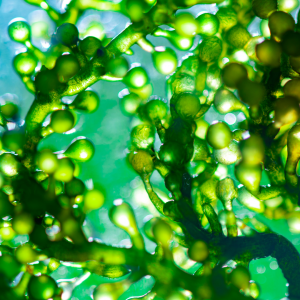
The "Iceberg" Effect: Why Surface Cleaning Fails
Most janitorial or "in-house" cleaning focuses on the visual horizon—the parts of the machine you can see. Unfortunately, 90% of the contamination exists in the "submerged" zones:
- The Shielding Problem: Standard wipes and sprays only kill the top layer of a biofilm colony. The EPS matrix remains intact, allowing the bacteria underneath to regenerate and re-contaminate the surface within hours.
- The Hidden Architecture: Biofilm thrives in the "nooks and crannies" of equipment—internal intake valves, bellows, pump housings, and the underside of ice thickness probes.
- Chemical Resistance: Over time, colonies within a biofilm can develop resistance to common household cleaners like diluted bleach or vinegar.
Why This Matters for Your Equipment
In Ice Machines & Water Dispensers
Biofilm (often appearing as "slime") can break off into the water stream. This leads to:
- Health Code Violations: Pathogens like Legionella, Pseudomonas, and E. coli can thrive within these colonies.
- Mechanical Failure: Slime buildup can clog sensors and drainage lines, leading to water backups and expensive component burnouts.
In Commercial Laundry Systems
In washers, biofilm creates a persistent "sour" or "mildew" smell that transfers to linens.
- The Residue Loop: Detergent and fabric softener residues actually provide a "food source" for biofilm, creating a cycle where the more you wash, the more the colony grows if the machine isn't professionally stripped.
The Hydration Express Solution: Technical Remediation
Our process goes beyond "cleaning" to achieve remediation. We use a combination of:
- Mechanical Agitation: Physically breaking the EPS matrix in accessible areas.
- Specialized Chemistry: Using EPA-approved, food-grade oxidizing agents designed to penetrate the "slime" layer and kill the colony at the root.
- Preventive Programming: By establishing a regular maintenance cadence, we prevent the biofilm from ever reaching the "mature" stage where it begins to slough off into your water or laundry.
Knowledge is Protection
Understanding biofilm is the first step in protecting your facility's health, reputation, and equipment lifespan. Contact us today!